
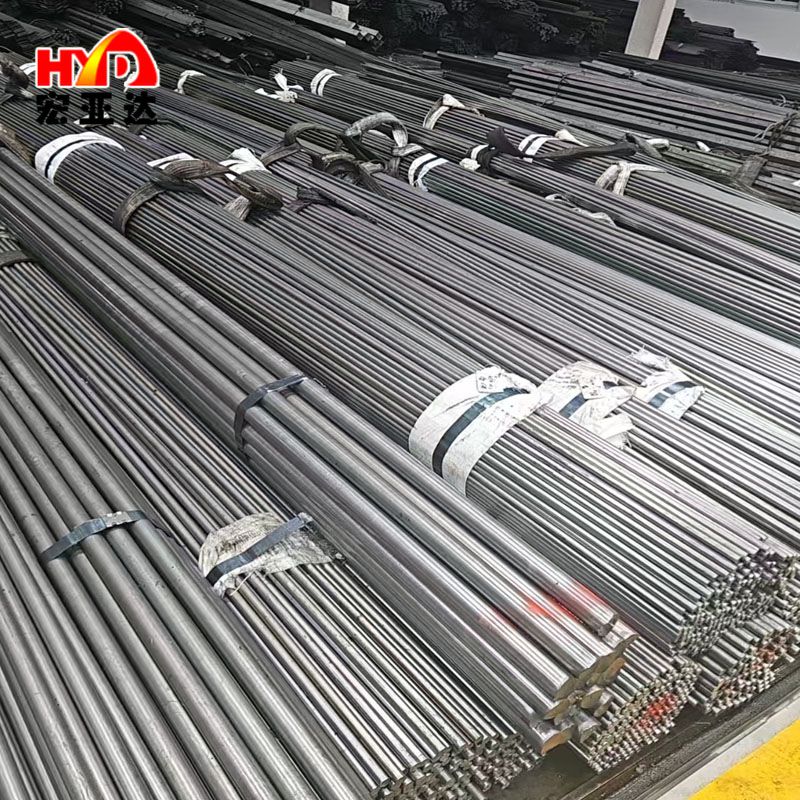
Cold drawn steel bars are an indispensable material for precision-demanding industries. Achieving tight dimensional tolerances, bright surface finishes, and enhanced mechanical stability, these bars are manufactured through a carefully controlled multi-step process. Unlike hot rolled steel, cold drawn bars offer specific performance benefits that reduce machining waste and improve industrial efficiency, making them vital in sectors like automotive, hydraulics, and precision engineering.
Cold drawn steel bars are precision-manufactured through processes like peeling, cold drawing, annealing, and surface treatment to achieve superior tolerances (up to ±0.05mm), straightness (1mm/m), and mechanical reliability. These features make them ideal for critical applications like shafts, rods, and gears in industries requiring high performance and consistent quality.
So, how are these bars manufactured, how do they outperform other steel forms, and where are they commonly applied? Let’s dive deeper into their production, properties, and benefits.
What is the manufacturing process for cold drawn steel bars?
Manufacturing cold drawn steel bars involves multiple steps designed to enhance precision and surface quality.
Cold drawn steel bars begin as hot rolled steel products. After initial peeling and straightening, multiple cold drawing passes and surface treatments like phosphating ensure dimensional accuracy and mechanical stability. Finally, annealing and inspection processes prepare them for high-performance applications.
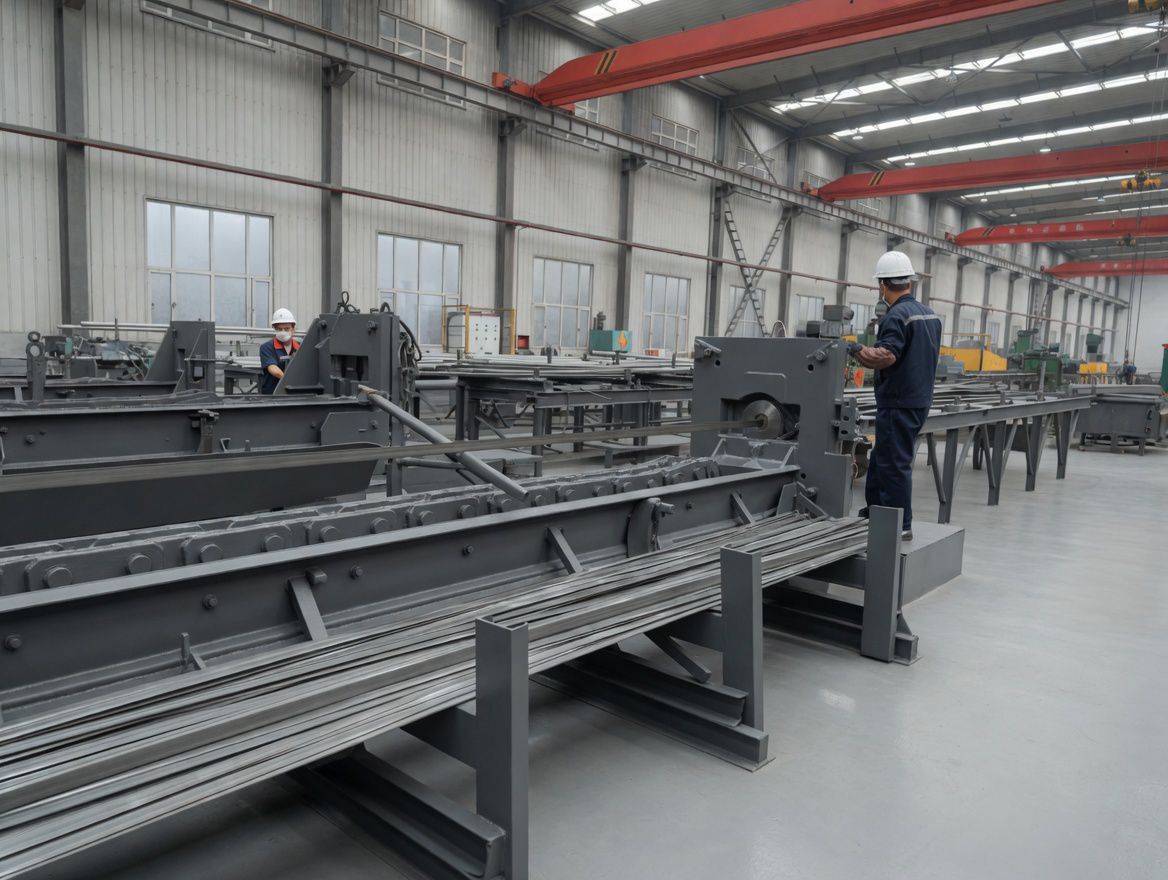
Breakdown of the Manufacturing Process
The production process of cold drawn steel bars can be divided into specific stages:
-
Raw Material Inspection
Hot rolled steel billets or bars are visually and dimensionally inspected to ensure uniformity and cleanliness. Any material defects such as cracks, scales, and inclusions are identified early. -
Shot Blasting & Peeling
Shot blasting removes scale from the hot rolled material. Peeling machines trim surface imperfections, creating clean, cylindrical stock for precise cold drawing. -
Head Pointing
This step reduces the leading end’s diameter to allow for smoother feeding into drawing dies. -
Cold Drawing
The core process involves pulling the steel through dies to reduce its diameter while enhancing its straightness and smoothness. Repeat passes may be necessary for achieving ±0.05mm tolerances. -
Phosphating & Saponification
Phosphating primes the steel for drawing by preventing die galling, while saponification further lubricates the material. -
Annealing
For high-hardness materials, annealing relieves internal stresses caused by work hardening during cold drawing. This minimizes cracking during machining. -
Grinding and Polishing
To achieve a bright, smooth finish, the bars undergo grinding and polishing that eliminates minor imperfections and produces aesthetics suitable for visible applications. -
Final Inspection & Packaging
Before shipping, bars are checked for straightness (1mm/m standard) and dimensional accuracy. Packaging ensures safe transportation to end users.
Why Is Tolerance Control Important?
Cold drawn steel bars achieve dimensional tolerances of up to ±0.05mm. This level of accuracy reduces machining time for industries that require tight specifications, saving costs on material waste and labor. Additionally, the bars' straightness of 1mm/m makes them ideal for components demanding absolute alignment, such as shafts in hydraulic systems.
How do cold drawn steel bars compare to hot rolled steel?
Cold drawn steel bars offer manufacturing advantages over hot rolled steel.
Compared to hot rolled steel, cold drawn steel bars feature improved straightness, tighter dimensional tolerances, and smoother surface finishes. These qualities make them particularly suited for precision applications, while hot rolled steel is more cost-effective for non-critical purposes.
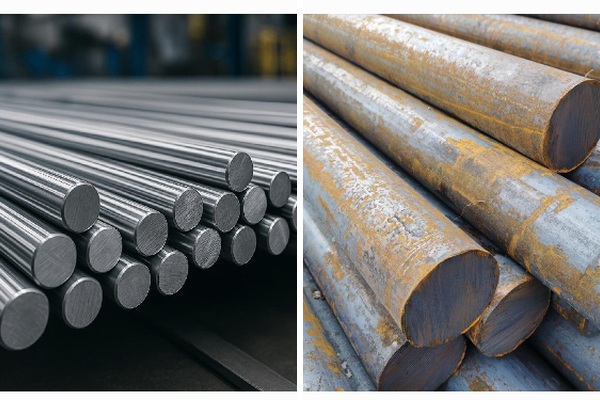
Key Differences: Cold Drawn vs Hot Rolled Steel
| Feature | Cold Drawn Steel Bars | Hot Rolled Steel Bars |
|---|---|---|
| Dimensional Precision | Up to ±0.05mm | Larger tolerances, less precise |
| Surface Finish | Bright and smooth | Coarse and rough |
| Mechanical Properties | Stronger due to cold working | Uniform as-rolled properties |
| Straightness | Up to 1mm/m | Higher deviation |
| Typical Applications | Hydraulic rods, gears, shafts | General construction and structural use |
| Cost | Higher due to added processes | Lower, basic manufacturing |
While hot rolled steel remains adequate for general construction or structural applications, industries requiring precision machining, surface quality, or alignment overwhelmingly prefer cold drawn steel.
Misunderstanding the Cost Factor
A common misconception is that cold drawn steel bars are “too expensive.” While upfront costs may be higher due to added manufacturing stages, the savings in machining time, material reduction, and product reliability offset this cost in industrial operations. For example, using cold drawn bars for shafts eliminates the need for extensive post-machining corrections.
Where are cold drawn steel bars commonly applied?
Cold drawn steel bars have wide-ranging applications across high-demand industries.
Cold drawn steel bars are used in manufacturing precision shafts, hydraulic cylinder rods, gear components, and fastening parts. Their accuracy and smooth finishes make them critical in automotive, hydraulic, precision engineering, and OEM manufacturing.
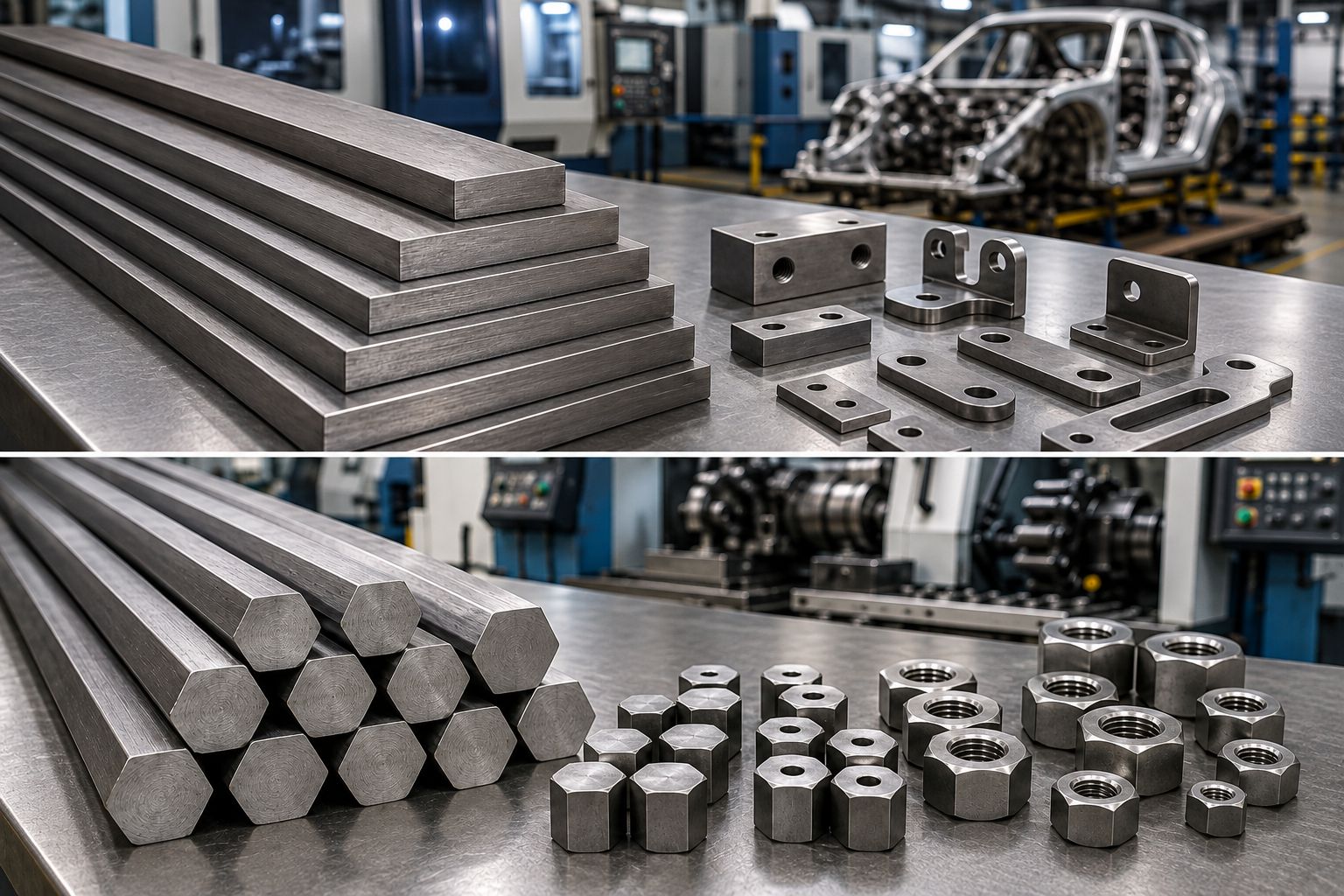
Common Applications by Industry
-
Automotive Parts Manufacturing
Cold drawn bars are machined into transmission shafts, steering components, gears, and axles requiring dimensional stability. -
Hydraulic Cylinder and Pneumatic Systems
Chrome-plated cold drawn steel rods serve as piston rods in excavators, heavy machinery, and construction equipment, where wear resistance is crucial. -
Precision Engineering
Industries demanding fine machining tolerances use these bars for spindles, bearings, and CNC components. -
Fasteners & Hardware
Cold drawn steel provides material strength for bolts, studs, threaded rods, bushings, and other fastening components. -
OEM Manufacturing
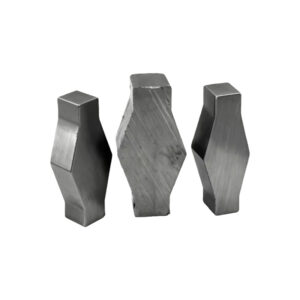
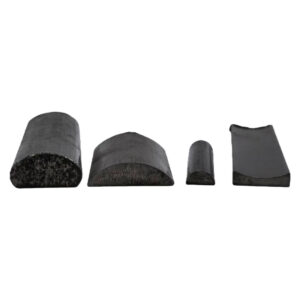
For special-shaped profiles tailored to customer drawings, cold drawn steel offers unmatched manufacturing flexibility.
The Advantage in High-Performance Environments
Cold drawn bars are an industrial favorite in sectors where reliability, precision, and aesthetic quality are not negotiable. The ability to customize profiles further aligns cold drawn steel with OEM-driven manufacturing needs.
Frequently Asked Questions
What does cold drawing improve in steel bars?
Cold drawing enhances the dimensional accuracy, straightness, and surface smoothness of steel bars compared to hot rolled steel. This process also increases mechanical properties like strength and hardness through work hardening effects.
Are cold drawn steel bars suitable for visible applications?
Yes, the bright, polished surface finishes of cold drawn steel bars often make them suitable for components where aesthetics are important, such as chrome-plated rods in hydraulic systems.
Why do cold drawn steel bars have higher upfront costs?
The additional processes involved—such as peeling, cold drawing, annealing, and polishing—add to manufacturing costs. However, these processes improve machining efficiency, reducing hidden costs like post-machining adjustments, material waste, and downtime.
Can cold drawn steel be customized?
Absolutely. Manufacturers like YaDa Metal can produce special-shaped profiles tailored to customer drawings and application-specific tolerances.
How do phosphating and saponification work in cold drawing?
Phosphating creates a corrosion-resistant layer that prevents galling during die passes, while saponification adds lubrication to the surface, aiding smooth cold drawing.
Conclusion
Cold drawn steel bars represent a purposeful evolution in steel manufacturing, achieving precision tolerances, straightness, and reliable mechanical properties that industries value in high-performance applications. Whether you’re working on automotive components, hydraulic systems, or precision engineering, these bars provide reduced machining costs, more consistent material quality, and superior aesthetic finishes than their hot rolled counterparts.
If you’re evaluating steel solutions for demanding industrial needs, contact us at YaDa Metal to learn more about how our cold drawn steel bars can enhance your production efficiency and product performance. Let’s build with precision.